







Search Results for: volcanic soil
A Detailed Guide to Coffee Beans from Guatemala's New Oriente Region: Volcanic Metamorphic Soil and Pour-Over Flavor Characteristics
The Nueva Oriente region of Guatemala is located in the southeastern part of the country, bordering El Salvador and Honduras, and sits within a dormant volcanic zone. Coffee has been grown here since 1950, with production dominated by small family-owned estates. Thanks to its unique soil—a mix of metamorphic rock and volcanic minerals—it produces coffee beans with a rich aroma, bright acidity, and outstanding body. This article will take you deeper into the terroir, cultivation history, and cupping performance of the Nueva Oriente region, along with Front Street Coffee's pour-over flavor interpretation of beans from this region—perfect for every lover of Guatemalan coffee to savor carefully. [more…]
A Complete Flavor Analysis of Guatemala Antigua La Flor Coffee Beans: The Taste Profile of a Central American Specialty Coffee Nurtured by Volcanic Soil
Guatemala is located on the Central American isthmus. With its highland terrain shaped by volcanic ranges and mineral-rich volcanic ash soil, it has become the world's ninth-largest coffee producer. Among its seven major producing regions, Antigua stands out in particular—a valley surrounded by three volcanoes, abundant sunshine, and cool nights together create a unique microclimate. This article will guide you through an in-depth understanding of the natural conditions of the Antigua region, analyze the cupping performance of local coffee beans, and introduce the elegant sweetness and balanced mouthfeel presented by Flor del Café coffee beans. Whether you are a coffee enthusiast just starting out or a connoisseur pursuing flavor details, you will be able to feel the unique charm that this volcanic land imparts to coffee. [more…]
An In-Depth Analysis of the Guatemala Antigua Coffee Region: Volcanic Soil, Bourbon Variety, and a Distinctive Smoky Flavor
The Antigua region of Guatemala is renowned worldwide for its exceptional quality and layered flavors, where chocolatey sweetness intertwines with elegant acidity, and the distinctive smoky note in the finish is endlessly memorable. This land boasts over 300 microclimates and fertile volcanic soil, providing uniquely favorable conditions for coffee cultivation. Antigua primarily grows the Bourbon variety, and the high altitude with large temperature swings between day and night allows the coffee cherries to accumulate more sugars, extending the maturation period and making the flavor increasingly complex and rich. This article will guide you into the terroir secrets of the Antigua region, from volcanic ash soil to the flavors in the cup, exploring the mysteries of this fine brew. [more…]
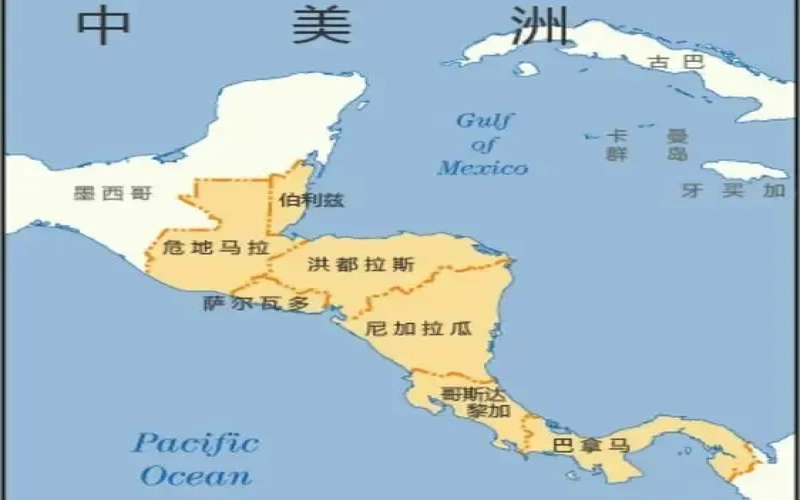
El Salvador Apaneca-Ilamatepec Region Analysis: Volcanic Soil, Historical Changes, and Finca El Angel
Among the many coffee-producing countries in Central America, El Salvador may not stand out in terms of volume, yet its volcanic ash soils and diverse microclimates give rise to a highly distinctive flavor profile. This article begins with the historical context, tracing how coffee replaced indigo as the backbone of the nation's economy and, after civil war and land reform, shifted toward competing on quality. The focus then turns to the largest producing region in the west, Apaneca-Ilamatepec, interpreting the high-altitude growing conditions around the Santa Ana volcano and the ecological value of shade cultivation, and introducing the varietal layout and terroir characteristics of Angel Estate, this year's COE Natural category runner-up. Front Street Coffee will also combine the region's characteristics to offer enthusiasts some reference ideas on bean selection and brewing. [more…]
Guatemalan Antigua Coffee Flavor Analysis: Tobacco Aromas and Full-Bodied Taste Born from Volcanic Soil
The Antigua region of Guatemala, with its unique volcanic soil and microclimate, nurtures coffee beans that are rich in flavor and layered in complexity. The coffee produced here often carries a signature tobacco note and a charred, smoky character, with a smooth mouthfeel where sweetness and smoky tones intertwine—earning it the name "cigarette coffee." The valley topography surrounded by three active volcanoes, the abundant nitrogen from periodic volcanic eruptions, and ample rainfall and sunshine together create the outstanding quality of coffee from this region. This article will take an in-depth look at the flavor characteristics of Antigua coffee and introduce representative lots such as El Pulcal from the Carmona Estate, allowing you to appreciate the alluring charm of this coffee praised as the "most perfect coffee bean." [more…]

A Detailed Guide to the Flavors of Guatemala's Eight Major Coffee Regions: Cupping Characteristics from Acatenango Valley to Volcán San Marcos
Guatemala is an important specialty coffee-producing country in Central America, with eight distinct coffee regions distributed across its territory. In April 2010, Mr. Eduardo Ambrocio of the Guatemalan Coffee Company gave a detailed introduction to these regions to an audience at the SCAA Houston exhibition and presented coffee samples from all eight regions. Based on these sample materials, this article examines one by one the altitude, soil, climate, and processing methods of the eight major regions—Acatenango Valley, Antigua, Traditional Atitlán, Rainforest Cobán, Huehuetenango Highlands, Highland Wet Highlands, New Oriente, and Volcanic San Marcos—and includes the cupping flavor characteristics of the coffee from each region. For friends who love Guatemalan coffee, Front Street Coffee will also recommend a few beans worth paying attention to, helping everyone more intuitively experience the flavor differences among the various regions. [more…]
Guatemala Antigua Specialty Coffee Beans: Analysis of the Rich Taste and Unique Flavor Cultivated by Volcanic Soil
Guatemala, as a world-renowned specialty coffee-producing country, enjoys exceptional natural conditions and diverse microclimates. Among its regions, Antigua stands out in particular, where volcanic soil, high altitude, and ample rainfall together create a coffee flavor with a perfect balance of acidity, sweetness, and body. The Guatemala Antigua coffee beans selected by Front Street Coffee are plump, with a captivating spicy aroma and a hint of mysterious smokiness that is unforgettable at first sip. This article will take you deep into the story of Antigua coffee's origin, its flavor characteristics, and the unique features of Guatemala's seven major coffee regions. [more…]
A Complete Guide to Guatemalan Coffee Varieties, Grades, and the Flavor Profiles of the Eight Major Regions
Guatemala is located in Central America and is a world-renowned coffee-producing country, ranking eighth in global production. The term "Guatemala" originates from the Mayan language, meaning "land of forests." This land is hailed as the "jewel of the Central American crown" due to its volcanoes, lakes, and variable climate. Although the country is small, it nurtures eight distinctive coffee regions. This article will systematically review the altitude, soil, climate, processing methods, and cup profile of these eight regions: Antigua, Acatenango, Huehuetenango, San Marcos, Atitlán, Cobán Rainforest, Fraijanes Plateau, and New Oriente, and also explain the variety and grade classification logic of Antigua. Front Street Coffee will also combine the characteristics of these regions to provide coffee enthusiasts with bean selection references. [more…]
Guatemala Antigua Coffee Flavor Analysis and Pour-Over Tasting: From Volcanic Soil to Noble Smoky Notes
Guatemalan coffee has always been renowned for its rich elegance, and the Antigua region is the crown jewel among them. Surrounded by three active volcanoes, its volcanic soil is rich in nitrogen, creating the distinctive smoky and charcoal-roasted flavors of Antigua coffee. This article will take you deep into the taste characteristics of Antigua coffee—from its rich, smooth chocolate sweetness to its captivating tobacco aroma, and on to its stunning performance when paired with chocolate. We will also trace the history of how coffee was introduced to Guatemala, analyze the flavor differences among its eight major producing regions, and recommend Front Street Coffee's classic Antigua bean. Whether you are a pour-over enthusiast or an espresso player, this article will help you gain a comprehensive understanding of this noble bean known as "cigarette coffee." [more…]
A Comprehensive Analysis of Guatemalan Coffee: Varieties, Processing Methods, and Flavor Characteristics of the Eight Major Regions and the Huehuetenango Highlands
Guatemala is located in the heart of Central America, where its volcanic terrain and high-altitude environment provide exceptional conditions for coffee cultivation, earning its beans a place among the world's finest. The country is divided into eight major coffee-producing regions, each offering a distinct flavor profile shaped by differences in soil, climate, and processing methods. Among them, the Huehuetenango Highlands are known for their dry climate and extremely high altitude, producing coffee with vinous aftertaste and bright acidity. This article systematically examines the historical development of Guatemalan coffee, its varieties and processing methods, and the characteristics of its eight major regions, offering a comprehensive understanding of this noble coffee nation. [more…]

Where Does the Aroma of Colombia Rose Valley Coffee Come From? Analyzing the Role of Volcanic Soil and Anaerobic Enzyme Washed Flavor Formation
Front Street Colombia Rose Valley has become a highly talked-about coffee on the bean list thanks to its signature flavors of peach, cranberry, liqueur chocolate, and rose florals. Where exactly does its intense aroma come from? Is it a flavored bean? This article traces the real causes of Rose Valley's flavor step by step, from the volcanic soil of the Santander growing region and the characteristics of the Caturra variety to the anaerobic enzyme washed processing method that rose to prominence after 2014, and includes Front Street Coffee's in-store V60 brewing parameters and three-pour extraction steps to help you recreate at home that cup combining berry-like acidity with caramel sweetness. [more…]
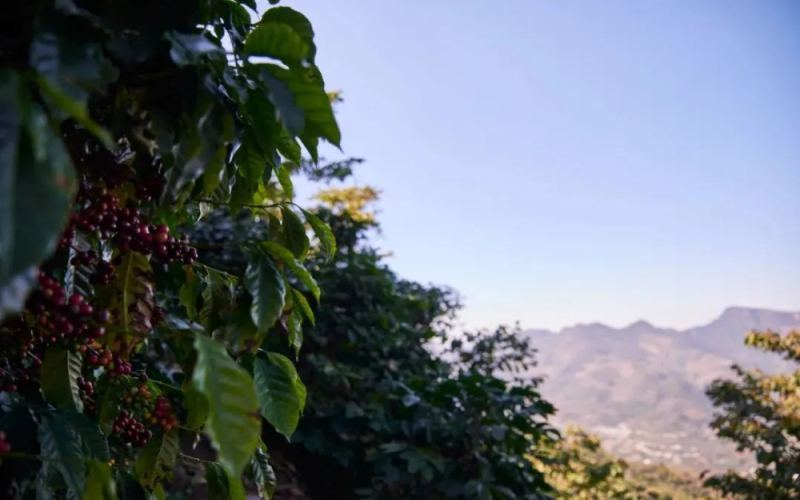
What makes Guatemalan coffee unique? A comprehensive analysis of the flavors and processing methods of eight major producing regions
Guatemala is home to over three hundred microclimates, where volcanic soil and high-altitude terrain nurture specialty coffee with distinctive flavors. From the balanced fruit acidity of Antigua to the bright fruity aromas of Huehuetenango, the eight major regions each have their own character. This article will guide you through Guatemala's coffee-growing regions, varietal characteristics, grading methods, and washed processing procedures, while also analyzing its signature flavor profile. Front Street Coffee has a particular affection for this land; the Flora coffee beans on its menu come from the Antigua region, washed processed, with a delicate flavor, and are well worth trying. [more…]
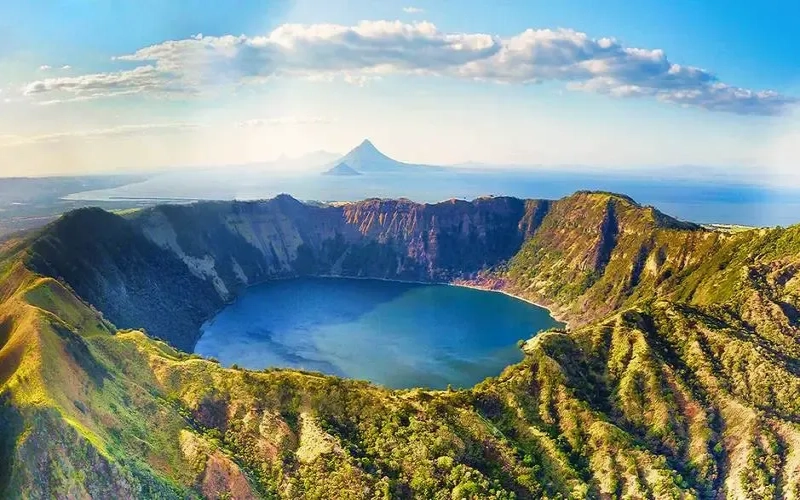
Nicaragua Nueva Segovia Coffee Region: High-Altitude Volcanic Soil and Emerging Prominence at COE
Central America has agriculture as its economic backbone, and its volcanic ash-rich soil and diverse climates have nurtured the coffee industries of countries such as Nicaragua. Although Nicaragua is not as renowned as Costa Rica or Panama, its growing conditions are by no means inferior. This article focuses on Nueva Segovia, one of the three major producing regions in the country's north—adjacent to Honduras, with the highest altitude and relatively low humidity, where concentrated sugars bring high sweetness and complex flavors. This region regularly appears on Nicaragua's COE list, and Los Suyates farm even won first place in 2022 and took second place in 2024. Front Street Coffee will also walk you through this coffee history, from the colonial period to the rebuilding of cooperatives. [more…]
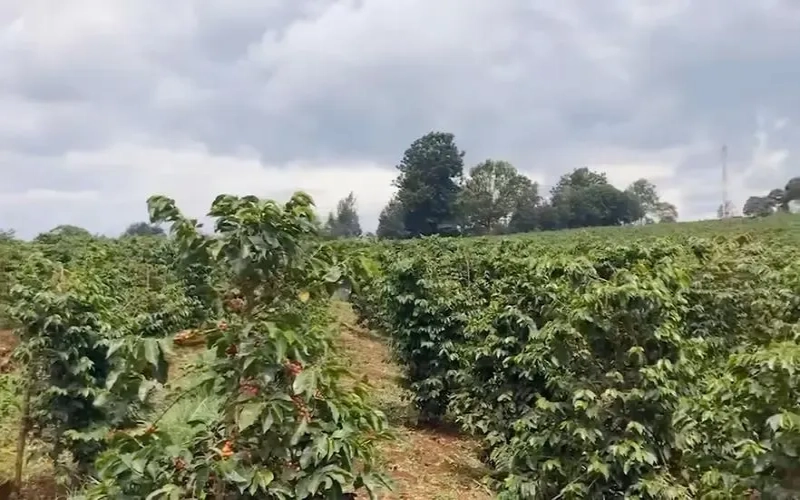
An In-Depth Analysis of Kenya's Nyeri Coffee Region: Flavor Codes from Colonial History to Volcanic Soil
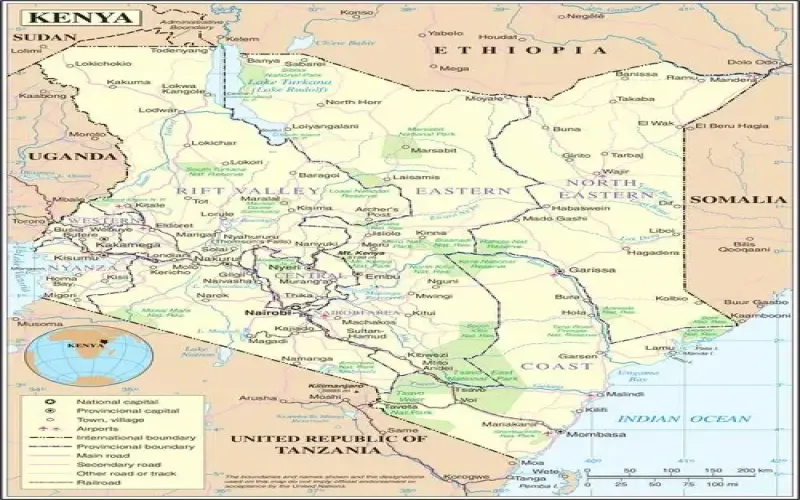
Kenyan coffee is world-renowned for its multi-layered flavors and juicy acidity, and Nyeri is the most dazzling producing region in this East African coffee powerhouse. This article will begin with the colonial origins of Kenyan coffee, tracing its historical trajectory from introduction by missionaries to the formation of the smallholder model, then delve into the unique terroir conditions of the Nyeri region—the fertile volcanic soil brought by the extinct volcano Mount Kenya, glacial meltwater, and the high-altitude microclimate. By understanding this background, coffee enthusiasts can more deeply appreciate why Nyeri coffee can present such a distinct regional flavor. Front Street Coffee will also continue to pay attention to high-quality lots from this producing region. [more…]
Kenya Kirinyaga Coffee Region: A Paradigm of Purple Fruit Flavors Nurtured by Volcanic Soil
Africa is recognized as the birthplace of coffee. As Ethiopia's neighbor, Kenya started its coffee industry relatively late, yet has won the favor of industry insiders with its multi-layered flavors and juicy acidity. In central Kenya, several well-known producing regions surround the dormant volcano Mount Kenya, among which Kirinyaga has drawn increasing attention in recent years. This region has fertile volcanic soil, abundant rainfall, and a cool climate. Coffee is grown at altitudes between 1,300 and 1,900 meters, and is known for its intense flavor, rich layers, and solid mouthfeel, ranking alongside the Nyeri region as one of Kenya's two finest producing regions. This article will take you through an in-depth look at Kirinyaga's geographical environment, historical background, and flavor characteristics, and share the cupping experience of a washed Kirinyaga Blackberry Queen that Front Street Coffee recently sourced. [more…]
Costa Rica's Poás Volcano Sees Strongest Eruption in Nearly Five Years, Ash Fall Affects Residents' Lives and Coffee-Growing Regions
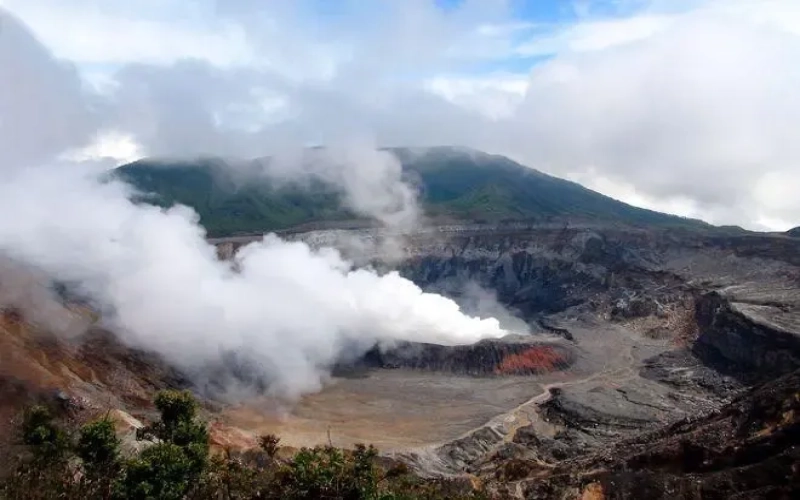
On April 2, the Poás Volcano in Costa Rica experienced its largest eruption in nearly five years, with an ash column reaching 600 to 800 meters above the crater, posing a threat to local residents' lives, air quality, and crops such as coffee. Poás Volcano National Park has been temporarily closed, and several coffee-producing regions around the volcano, including the well-known Central Valley, also face potential impacts from volcanic ash. At the same time, drought and frequent fires triggered by El Niño have further intensified pressure on local agriculture. This article will review the specifics of this volcanic eruption, its impact on the coffee industry, and the outlook for Costa Rica's coffee exports. [more…]
Why Is Kenyan Coffee's Acidity So Outstanding? A Complete Analysis from Volcanic Soil to K72 Washing
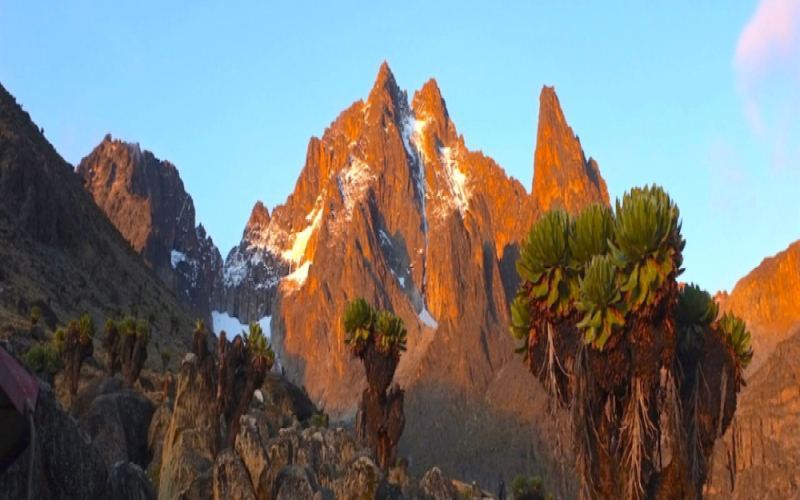
Kenyan coffee is renowned worldwide for its vibrant acidity, with flavor layers reminiscent of black plum, cherry tomato, and sugarcane that captivate countless coffee enthusiasts. This distinctive acidity is no accident, but rather the result of the combined effects of altitude, volcanic geology, latitude, variety, and processing methods. This article will start with Kenya's growing environment, analyze the origins of the legendary SL28 and SL34 varieties, and delve into Kenya's iconic 72-hour fermentation washed method (K72) as well as its unique steel bed drying process, helping you understand the interconnected flavor logic behind a cup of Kenyan coffee. [more…]
Guatemalan Antigua Coffee: Smoky Flavors and Mayan Heritage Born of Volcanic Soil
Antigua coffee is world-renowned for its balanced fruity acidity, rich spicy notes, and signature smoky flavor, behind which lies the diligent cultivation of Mayan descendants and the generous gift of volcanic soil. This article will take you into Antigua, Guatemala, providing a comprehensive interpretation of this noble bean variety known as "cigarette coffee," from the historical context of Mayan culture to the terroir conditions of coffee cultivation, from the flavor characteristics of classic Antigua coffee to its acclaim among global coffee connoisseurs. At the same time, Front Street Coffee will also recommend Antigua products worth savoring, allowing you to experience the desolate history and mysterious aroma in that cup. [more…]
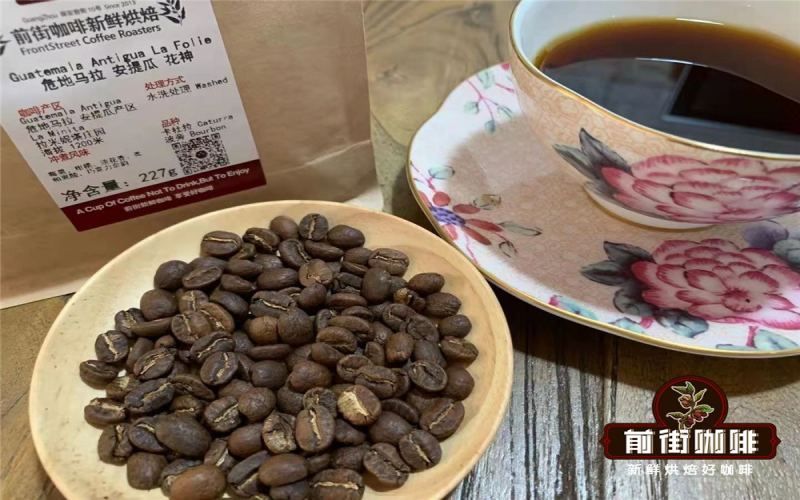
Exploring the Flavors of Guatemala Antigua Coffee: Volcanic Soil, Smoky Character, and Brewing Parameters for Flor del Café
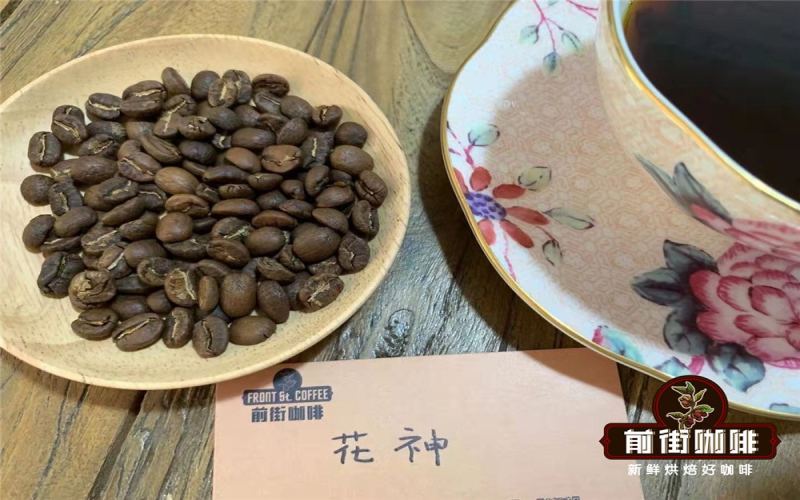
Guatemalan coffee is renowned worldwide for its distinctive volcanic smokiness and rich flavor, and the Antigua region in particular is hailed as a representative of the world's finest coffee. This article traces in depth the historical origins and growing environment of Antigua coffee, analyzes the causes of its tobacco and charcoal-roasted notes, and provides a detailed introduction to the varietal characteristics of La Minita Estate's Floral God coffee, its washed processing method, and Front Street Coffee's roasting and brewing recommendations. From Mayan civilization to modern specialty coffee, from the volcanic heartland to the flavors in your cup, this takes you on a comprehensive journey into the unique charm of this Central American coffee treasure. [more…]
The Flavor Code of Guatemalan Huehuetenango Coffee: A Full Analysis of Terroir, Varieties, Processing, and Brewing
Guatemalan coffee stands out among Central American origins, and Huehuetenango is the star within it. Many friends new to coffee easily confuse it with Ethiopia's Yirgacheffe—both have bright acidity, but their terroir foundations are completely different. This article will take you deep into Guatemala's eight major producing regions, focusing on Huehuetenango's unique environment of high-altitude non-volcanic terrain, dry climate, and interlacing streams, deciphering the reasons why smokiness and fruity acidity coexist, and detailing the local mainstream varieties and washed processing method. At the same time, Front Street Coffee's bean selection logic, brewing parameters, and bean resting recommendations will also be presented, helping you fully understand the charm of this bean from origin to cup. [more…]